The Unheard Voices of Our Generation: Speaking Truth for Change Now Part 2
- Lamar Newby
- Nov 14, 2025
- 3 min read
Every generation faces moments when silence feels safer than speaking out. Yet, history proves that voices—especially those once unheard—can ignite powerful change. This post continues to explore how individuals and movements have shaped the world by refusing to stay quiet. Their courage teaches us how to speak truth now, not later, and how our voices can ripple into revolutions.

One voice can stand strong in the crowd.
How Voices Spark Change: Lessons from History
The power of speaking up is not new. Many pivotal moments began with a single act of courage:
Rosa Parks quietly refused to give up her seat on a bus. She wasn’t the first, but her action sparked the Montgomery Bus Boycott, a turning point in civil rights.
Malala Yousafzai demanded education despite threats. Surviving an attack, she became the youngest Nobel Peace Prize winner, inspiring millions.
Greta Thunberg started striking for climate justice with just one sign. Her solitary protest grew into a global movement demanding urgent action.
Colin Kaepernick knelt during the national anthem once, and the conversation about racial injustice continues years later.
The Stonewall Riots in 1969, led by Black and Brown trans activists like Marsha P. Johnson, launched the modern LGBTQ+ rights movement.
George Floyd’s last words echoed worldwide, fueling protests that demanded justice and reform.
These examples show that speaking out can break silence and build momentum. Change often begins with one voice that refuses to be ignored.
How to Find and Use Your Voice Today
You might wonder how to start speaking up when the world feels overwhelming. Here are practical steps to help your voice be heard:
1. Identify the Truth You Need to Share
Ask yourself what matters most to your generation. What issues are urgent and ignored? It could be climate change, social justice, mental health, or education. Pinpointing your truth gives your voice clarity and strength.
2. Write It Down
Writing helps organize thoughts and makes your message clear. Whether it’s a blog post, poem, letter, or social media post, putting words on paper or screen is the first step to sharing.
3. Speak It Out Loud
Practice saying your message to friends, family, or in community groups. Speaking aloud builds confidence and helps you find the right tone and passion.
4. Use Your Platforms
Social media, local events, school clubs, or community meetings are places where your voice can reach others. Even small audiences matter because they create connections.
5. Join or Build Movements
Find groups that share your values or start your own. Collective voices amplify impact and create support networks.
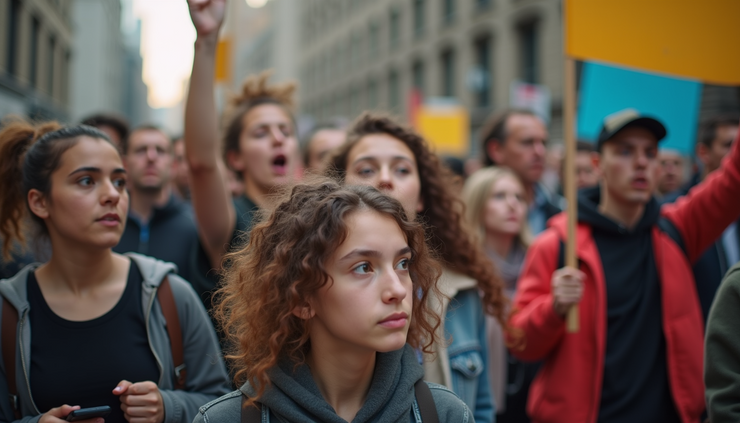
United voices create unstoppable energy.
Why Fear Shouldn’t Stop You
Fear is natural when speaking out. It’s not about being fearless but about choosing courage despite fear. Remember:
Fear protects comfort zones.
Speaking truth challenges the status quo.
Change requires discomfort.
When people say you’re too outspoken or too real, it means your voice is shaking things up. That’s a sign you’re making a difference.
How to Keep Your Voice Strong Over Time
Speaking out is not a one-time event. It’s a journey that needs care:
Stay informed. Keep learning about your cause.
Connect with others. Build friendships with people who support your message.
Take breaks. Activism can be exhausting; rest helps you stay effective.
Celebrate wins. Every small change matter and fuel motivation.

Every voice matters in the fight for justice.
Reflection: What Truth Does Your Generation Need to Hear?
The world waits for voices that refuse to whisper. What truth will you share today? Not tomorrow, not when it feels safe, but now. Write it, speak it, live it.
Your voice starts a ripple. Together, those ripples become waves that change history. The world may pretend not to listen, but history always does.


Comments